One of the distinctive qualities of vegetable-tanned leather is the way it changes with use. Over time, its color may deepen, and the surface may develop a soft sheen. This gradual change is known as patina.
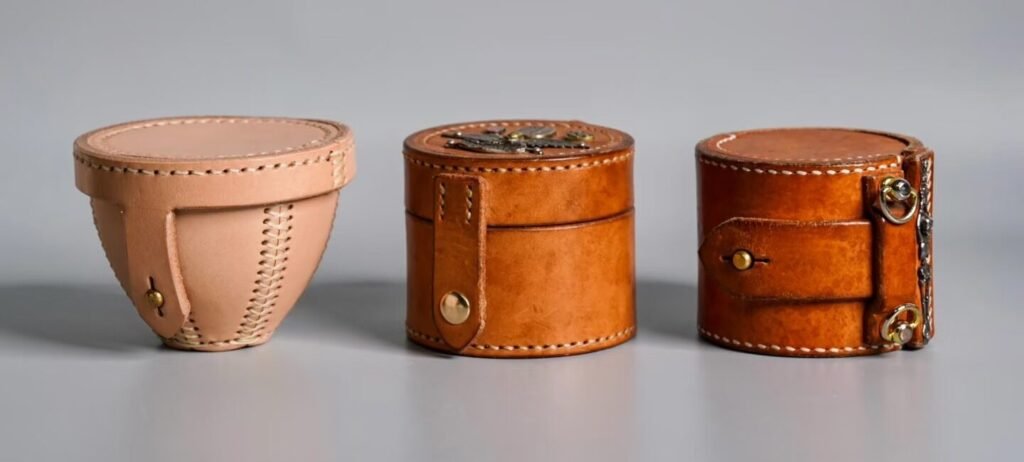
Why Does Leather Develop Patina?
Light exposure, skin oils, friction, and everyday handling all influence how vegetable-tanned leather ages. Lighter, more natural finishes often show these changes more clearly, while coated or pigmented surfaces may retain a more consistent appearance.
Not every piece develops the same patina. The original color, finish, and conditions of use all affect the result.
Natural Aging or Damage?
Gradual darkening and a subtle sheen are common signs of leather aging. Uneven stains, visible mold, peeling, or a sticky and brittle surface may indicate a different problem.
Color alone does not tell the whole story. The leather’s texture, finish, and overall condition also matter.
Choosing Leather for Your Product
Patina can be a desirable feature, but it is not right for every design. For small leather goods, the choice of leather and finish affects how a product looks both when new and after extended use.
If color consistency is important, request material samples and discuss the expected aging behavior with your supplier before production.
At CARRY LEATHER, we consider material character, finish, and intended use when developing small leather goods. Understanding how leather changes over time helps create products that meet both functional and visual expectations.